Philadelphia International Airport (PHL) recently completed a $10.3 million airfield paving project as part of its Transform PHL airport improvements portfolio. The Taxiway E Rehabilitation project, which began in Spring 2025 and wrapped up in October 2026, resurfaced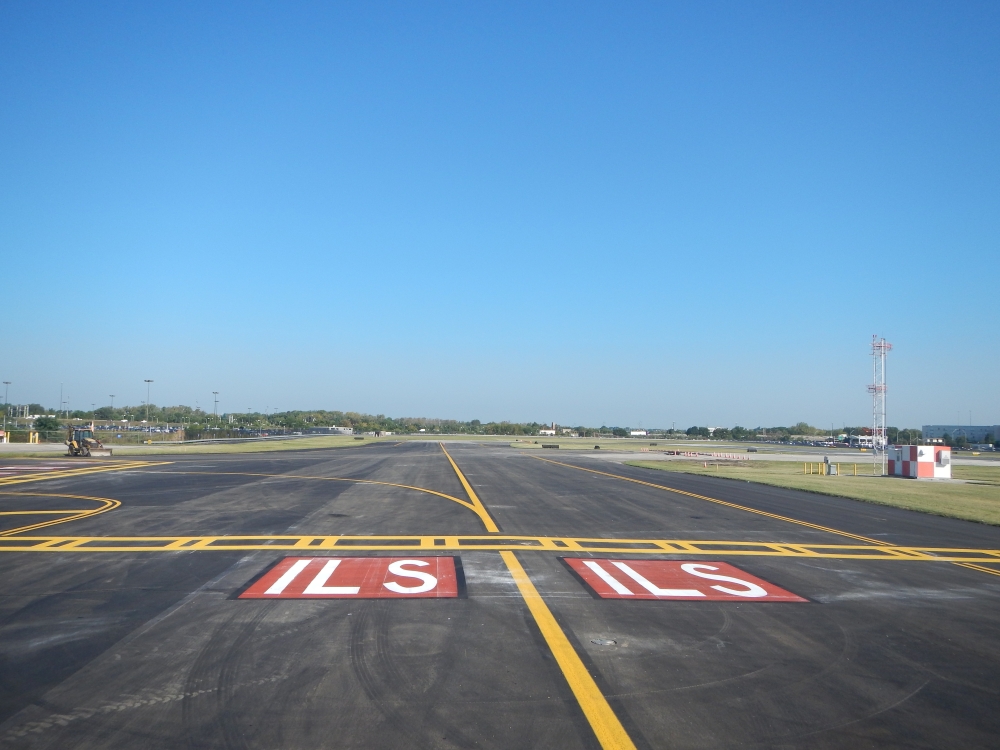 approximately 4,000 feet of pavement along Taxiway E on the east side of the airfield. Beyond the pavement improvements, the project provided an opportunity to explore how recycled materials can be used in airport construction.
“While the improvements to Taxiway E will support continued airfield operations at PHL, the research taking place with the project in coordination with the Federal Aviation Administration [FAA] will have a broader impact,” said Department of Aviation Chief Development Officer Api Appulingam. “By studying how recycled asphalt performs in an active airport environment, PHL is helping shape how airports across the country approach pavement construction and material selection in the future.”
The project included several operational and safety improvements to the airfield. Existing taxiway geometry was reconfigured at Taxiways E2 and G to eliminate direct-access from the apron to Runway 17-35. Direct-access taxiways can create confusion for pilots by giving them the impression that a parallel taxiway exists before the runway. These modifications improve pilot situational awareness and support safer aircraft movement. Additionally, Taixway B was repaved to eliminate a non-standard vertical curve, bringing it into compliance with current FAA standards.
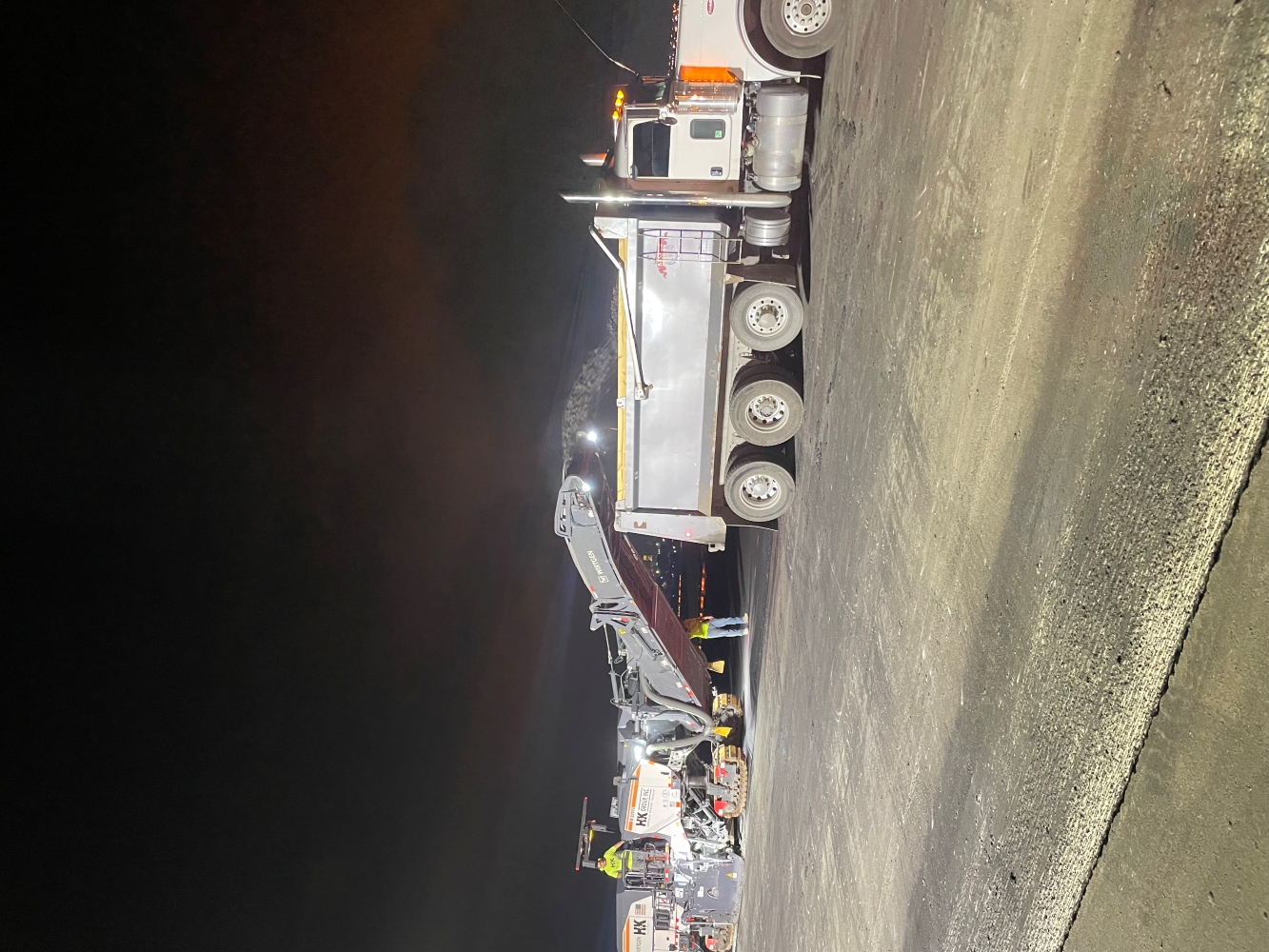 Pavement improvements included milling and repaving sections of the taxiway, with pavement depths ranging from 2 to 8 inches. Milling removes portions of the existing pavement to prepare for a new asphalt surface. The work also included installing new taxiway signage and realigning the taxiway centerline lights to improve visibility and aircraft navigation while bringing the lighting layout into compliance with current FAA standards.
During the design phase, the project team partnered with the FAA William J. Hughes Technical Center, the FAA’s research and development facility in Egg Harbor Township, New Jersey, to explore the use of Reclaimed Asphalt Pavement (RAP). RAP is produced by recycling existing asphalt pavement and incorporating it into new asphalt mixes. The Taxiway E Rehabilitation project provided a real-world opportunity for the FAA Tech Center to conduct field research, evaluating the performance and durability of recycled asphalt under heavy loads and operating conditions of commercial aircraft.